

Video Editing Workflow for Fast Turnaround Projects
Got a tight deadline? Here are 6 tips to get that project through quickly…
When deadlines are tight, video editing needs to be structured, predictable, and efficient. Whether you are producing internal communications, social content, or campaign edits, a clear workflow is what makes fast delivery possible without sacrificing quality.
At Sliced Bread Lite, we specialise in rapid video editing turnarounds, including 24-hour delivery when required. Below, we break down the exact workflow that makes this possible, from upload to final export.
If you are looking for a broader overview of our services, you can also explore our main 24 hour video editing services page.
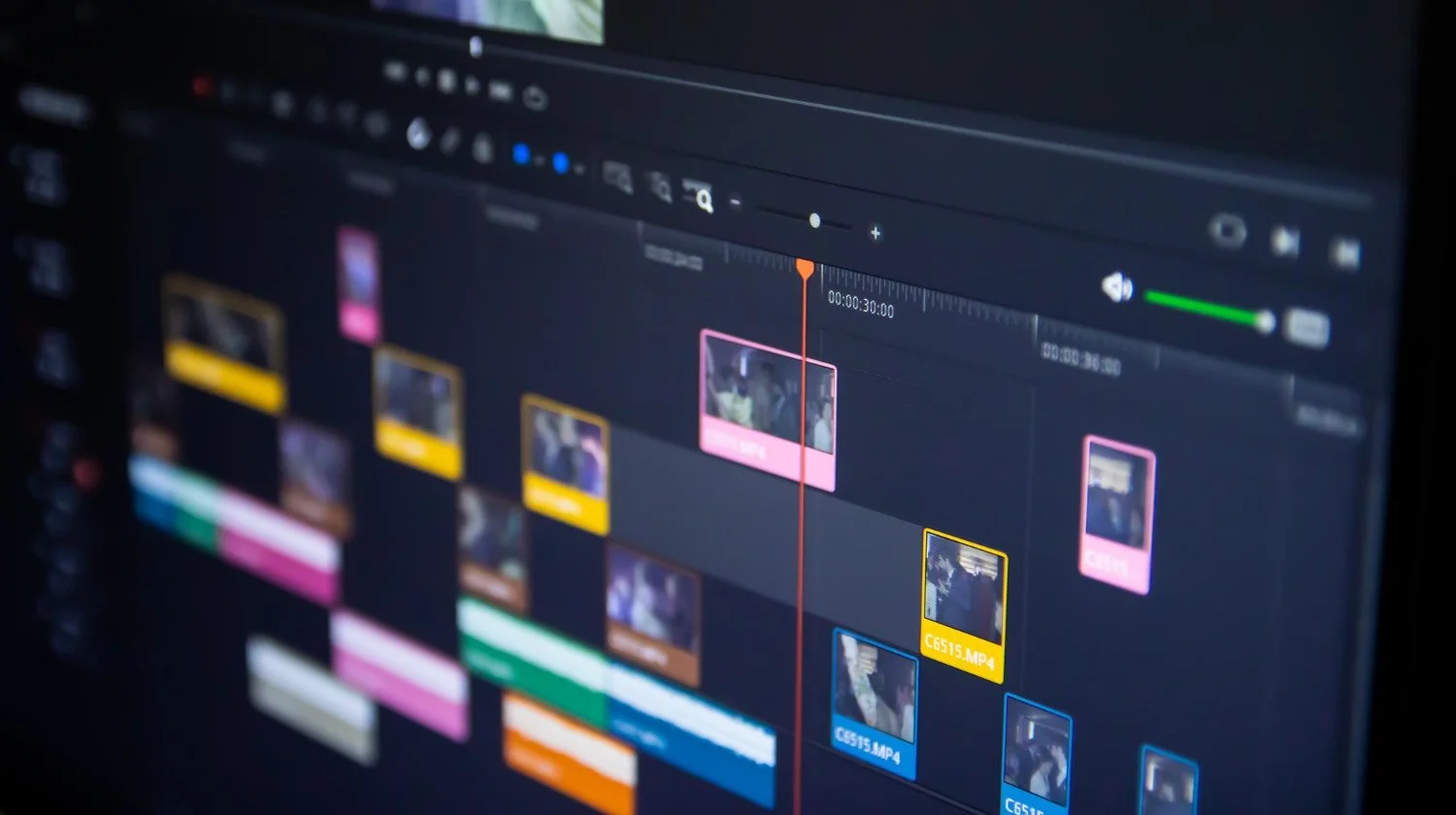
Step 1: Asset Upload and Project Briefing
Fast turnaround projects succeed or fail at the point of handover. The moment assets are uploaded and the brief is received sets the pace for everything that follows. When footage, logos, brand guidelines, and reference examples arrive in a single, organised upload, the editor can move immediately into production without pausing to chase missing information. For time-sensitive projects, clarity at this stage is not a nice-to-have. It is essential.
A concise project brief helps translate urgency into direction. Knowing where the video will be used, how long it needs to be, and what success looks like allows the editor to make confident creative decisions from the outset. This removes unnecessary interpretation and ensures the first edit is already aligned with expectations.
Step 2: Asset Review and Edit Planning
Before any cuts are made, the editor performs a focused review of all supplied materials. This is where potential issues are identified early, such as mismatched frame rates, inconsistent audio, or missing shots that could slow the process later. In fast-turnaround workflows, early detection prevents last-minute fixes that can derail delivery timelines.
At the same time, the editor maps out a clear plan for the edit. This includes identifying the strongest footage, deciding on a rough structure, and confirming any visual or branding requirements. Spending a short amount of time planning at this stage dramatically reduces revision time later and keeps the project moving smoothly.
Step 3: Assembly Edit (Rough Cut)
The assembly edit is about speed and structure, not perfection. This first pass establishes the narrative flow, pacing, and overall shape of the video without getting distracted by fine details. By focusing on the core message early, the editor ensures the project is heading in the right direction before time is spent on polish.
For fast-turnaround projects, this stage is critical because it allows feedback to be meaningful. Clients can respond to the content and structure of the video rather than surface-level details. That clarity helps lock decisions quickly and avoids multiple rounds of unnecessary revisions.
Step 4: Brand-Led Polish and Visual Refinement
Once the structure is approved, the edit moves into refinement. This is where the video starts to feel finished, with brand-led visuals, clean transitions, and consistent styling. Because fast projects rely on efficiency, using established brand assets and motion templates plays a key role in maintaining both speed and quality.
This stage is also where small adjustments have a big impact. Fine-tuning pacing, improving audio balance, and tightening transitions elevate the video without adding complexity. The goal is to enhance clarity and professionalism while staying firmly within the agreed timeline.
Step 5: Review and Feedback Loop
In fast-turnaround workflows, the review process needs to be disciplined. Clear, consolidated feedback allows the editor to make precise changes quickly rather than interpreting fragmented or conflicting comments. This keeps momentum high and ensures revisions can be completed within hours rather than days.
Providing timestamps, prioritising essential changes, and avoiding unnecessary micro-edits all contribute to a smoother revision cycle. When feedback is focused, the final version can be delivered rapidly without compromising the original intent of the edit.
Step 6: Final Export and Delivery
The final stage is about precision and readiness. Exports are tailored to their intended platforms, ensuring correct resolutions, aspect ratios, and compression settings. This prevents quality loss and avoids the need for re-exports after delivery.
For fast-turnaround projects, delivery needs to be immediate and friction-free. Secure download links, clearly labelled files, and platform-ready formats mean the video can be published, shared, or presented as soon as it arrives.
Final Thoughts on Fast Turnaround Video Editing
Fast video editing is not about rushing. It is about having a workflow that removes uncertainty, reduces decision fatigue, and keeps every stage focused on delivery. When the process is clear, fast turnaround becomes predictable rather than stressful. That is how we are able to deliver professional video edits in 24 hours without cutting corners. If speed matters and quality cannot slip, a structured workflow makes all the difference.
In summary, a fast-turnaround video editing workflow relies on:
Clear asset handover, script and concise project briefing
Early technical review and edit planning
A focused assembly edit that prioritises structure
Brand-led refinement using proven visual assets
Disciplined, consolidated feedback
Platform-ready exports delivered and ready for uploading
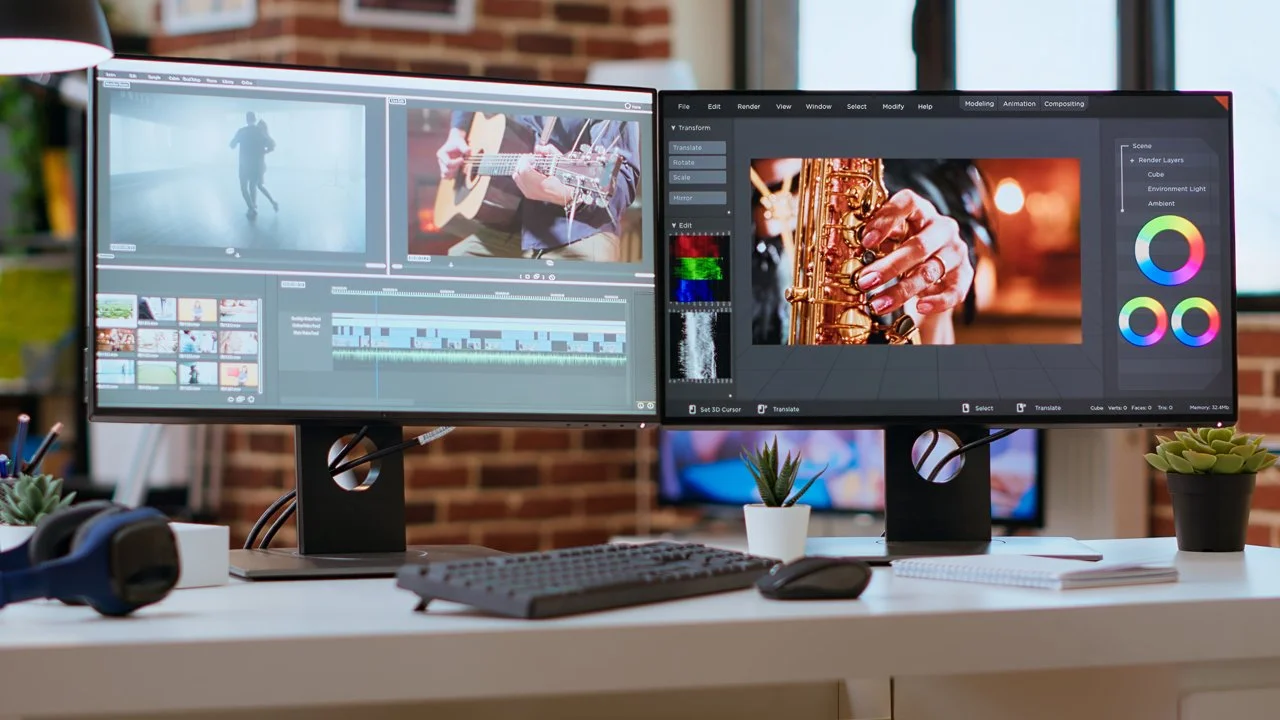
Need a Video Edited in 24 Hours?
If you have footage ready and a deadline approaching, our fast-turnaround video editing service is designed to keep things simple. We work with clear briefs, efficient workflows, and focused feedback to deliver professional edits in as little as 24 hours.
Whether it’s internal communications, social content, or campaign assets, we help teams move quickly without compromising quality.
Explore our video editing services or get in touch to discuss a rapid-turnaround project.
